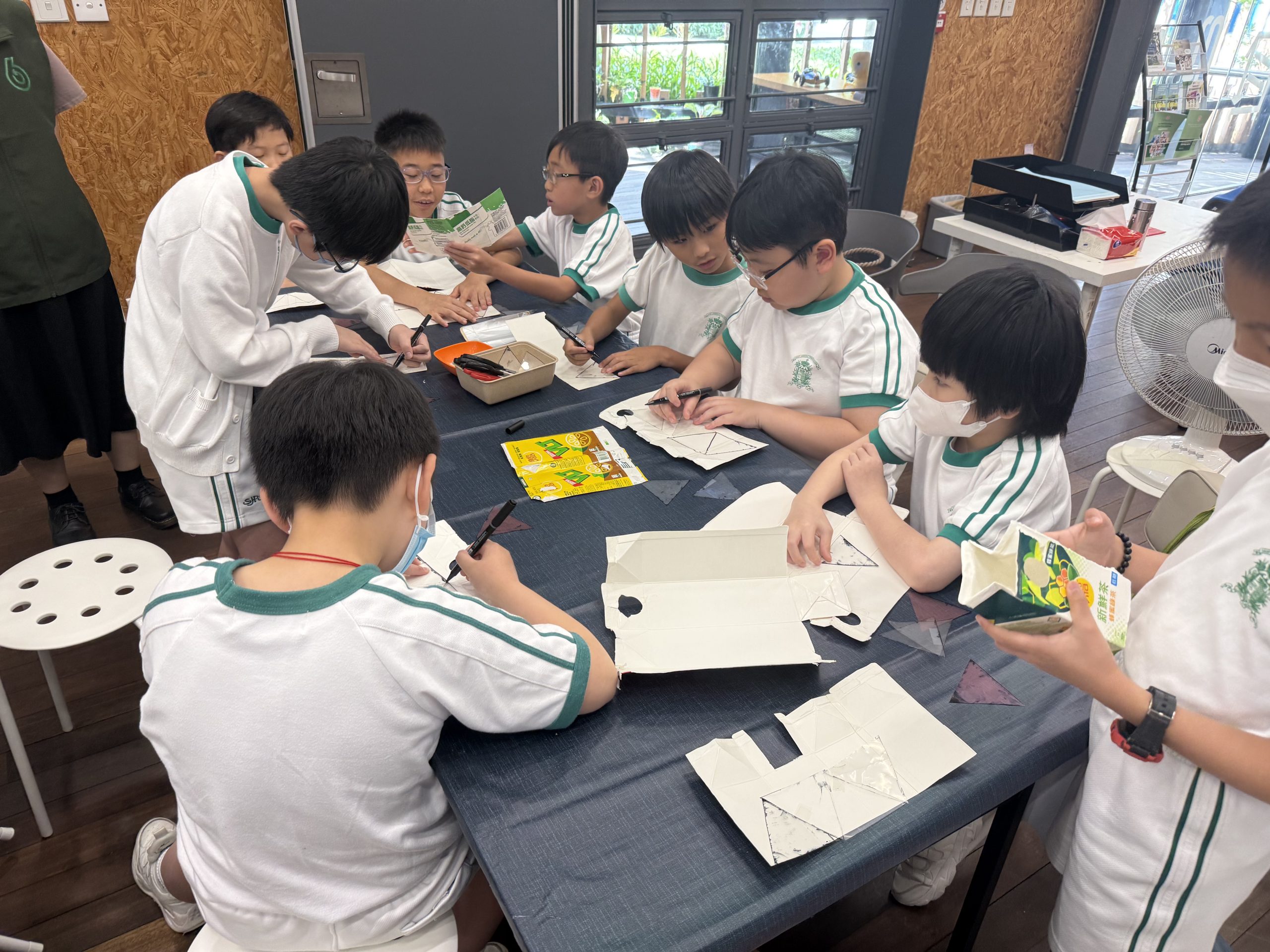
We believe that science is best learnt through doing. Our Primary Science curriculum provides regular opportunities for pupils to observe, investigate, experiment, design, make and test. Instead of simply learning scientific facts from textbooks, pupils are encouraged to act as young scientists by asking questions, making predictions, collecting evidence and drawing conclusions from their own investigations.
Hands‑on and minds‑on learning is an important feature across all levels. Younger pupils explore scientific ideas through practical activities and school‑based learning materials. For example, Primary 1 pupils use eggshells as a model for teeth to investigate how different drinks may affect them and explore the effect of brushing, while Primary 3 pupils make paper dragonflies and investigate how wing length affects the time they stay in the air, learning the idea of a fair test. As pupils progress, they take part in increasingly challenging investigations and group projects in which they apply science to real‑life problems.
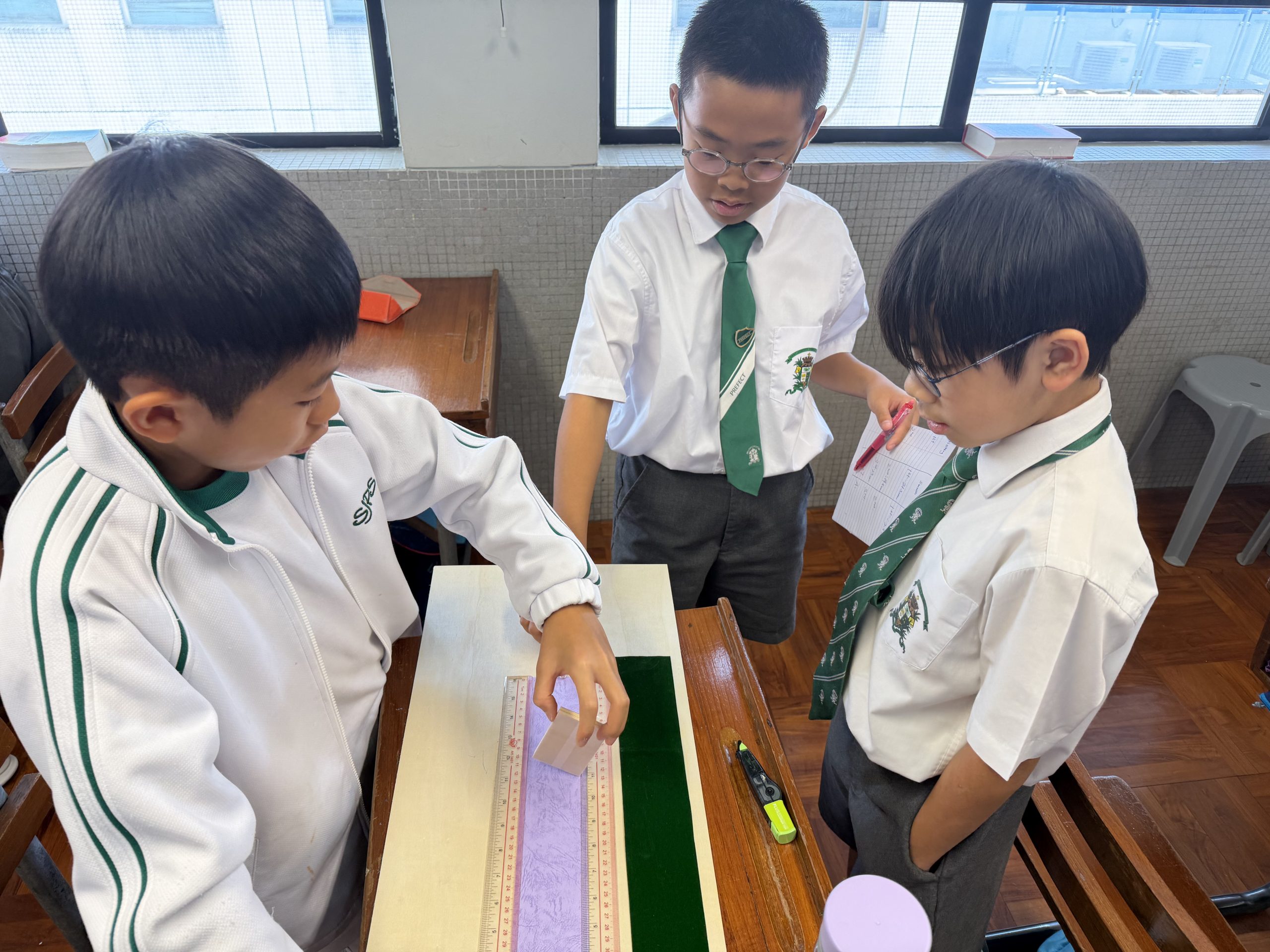
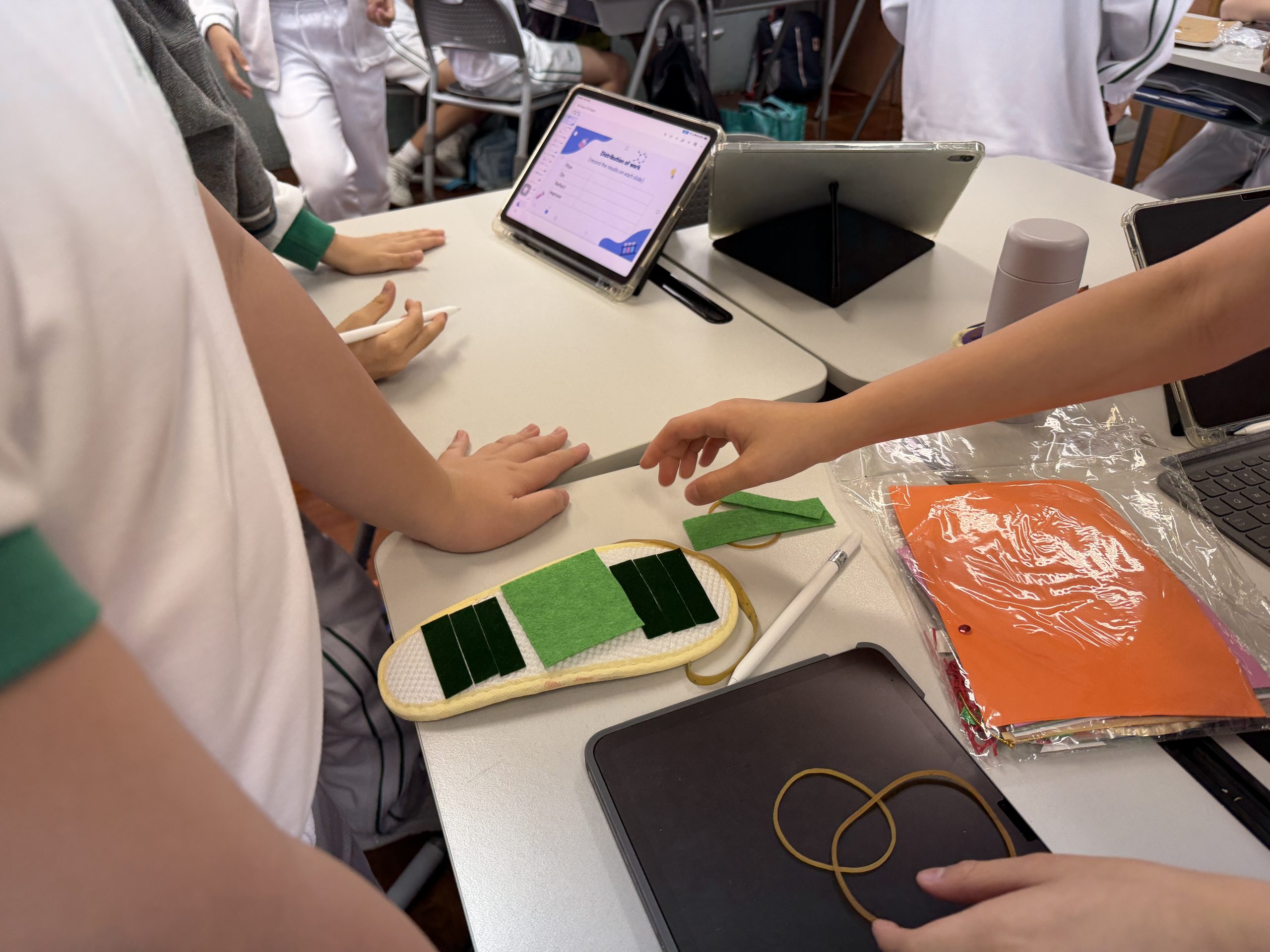
Project learning gives pupils opportunities to apply scientific knowledge in meaningful contexts. In Primary 4, pupils apply the concept of friction to design anti‑slip slippers, test and improve their designs, and create a Scratch promotional animation. In Primary 6, pupils apply lever principles to Chinese weighing scales and use Google Sheets to analyse data and calibrate the scales. Through these projects, pupils develop problem‑solving, creativity, collaboration and presentation skills.
Computer learning is integrated into Primary Science so that technology becomes a tool for scientific learning and creation. In Primary 1 to 3, pupils develop foundational digital skills such as typing, online searching, video editing and using Google Slides for research, digital content and presentations. In Primary 4 to 6, pupils progress to coding and computational thinking through tools such as MIT Scratch and micro:bit, and use Google Sheets to organise and analyse scientific data. Pupils are also gradually introduced to the responsible use of artificial intelligence, with emphasis on checking information and using technology thoughtfully.
Assessment is designed to support pupils’ development across the primary years. Primary 1 to 3 pupils do not sit written Primary Science examinations. Their learning is supported through school‑based materials, practical work and learning progress reports. In Primary 4 to 6, written assessments are combined with tasks and projects so that both scientific knowledge and the ability to apply it can be recognised.
Science learning also extends beyond the classroom. Environmental topics, community learning experiences and school‑based projects help pupils connect scientific knowledge with local issues, people’s needs and the world around them. Through experiments, projects, digital creation and learning beyond the classroom, we aim to nurture confident, curious and creative learners who can investigate scientifically, use technology purposefully and apply what they have learnt to solve real‑life problems.